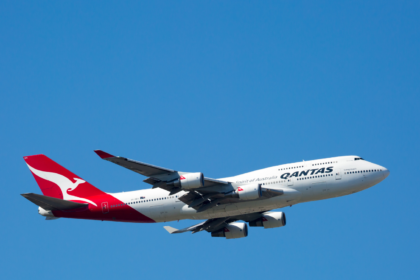


Despite its familiarity, Qantas Frequent Flyer is also one of the most misunderstood programs. Many members earn points easily but struggle to extract meaningful value from them. Others assume the program is too complex or too expensive to use effectively. The truth sits somewhere in between. Qantas Frequent Flyer is a powerful system, but it rewards informed strategy rather than casual participation.
- Understanding the Role of Qantas Frequent Flyer in Australia
- How Australians Earn Qantas Points
- Earning Qantas Points Through Flying
- Earning Qantas Points Without Flying
- Credit Cards and Qantas Points
- Using Qantas Points: Where the Value Lies
- Domestic Flight Redemptions
- International Economy Flights
- International Business Class and First Class
- Qantas Points and Flight Upgrades
- Fees, Charges, and the Real Cost of Redemptions
- Status Levels and Travel Benefits
- Ease of Use and Program Complexity
- Point Expiry and Account Management
- Is Qantas Frequent Flyer Right for You?
- Final Thoughts: Using Qantas Frequent Flyer Strategically
This guide provides a comprehensive explanation of how Qantas Frequent Flyer works in practice, how Australians earn and use Qantas Points, where the real value lies, and where common pitfalls occur. By the end, you should have a clear understanding of whether Qantas Frequent Flyer suits your travel goals and how to use it more effectively.
Understanding the Role of Qantas Frequent Flyer in Australia
Qantas Frequent Flyer is far more than an airline loyalty program. It is a major commercial business in its own right, generating significant revenue for Qantas through partnerships with banks, retailers, and service providers across Australia.
This scale has two important consequences. First, Qantas Points are easy to earn. Second, those points are heavily competed for when it comes time to redeem flights. Understanding this dynamic is critical to setting realistic expectations and building an effective strategy.
For Australians who engage with the program deliberately rather than passively, Qantas Frequent Flyer can unlock significant value, particularly for domestic travel and selected international redemptions.
How Australians Earn Qantas Points
Earning Qantas Points Through Flying
Flying with Qantas remains a core earning method, particularly for frequent travellers and business flyers. Points earned from flights are based on distance travelled, fare type, and membership status. Flexible fares and premium cabins earn more points, while higher status levels provide bonus earning on top of base points.
Domestic flying with Qantas is particularly relevant for Australians who travel regularly for work. Over time, these flights can contribute meaningfully to a points balance, especially when combined with status benefits.
That said, flying alone is rarely enough to generate large balances quickly.
Earning Qantas Points Without Flying
For most Australians, the majority of Qantas Points are earned on the ground rather than in the air.
Qantas Frequent Flyer has built one of the most extensive earning ecosystems in the country. Members can earn points through supermarkets, fuel purchases, online shopping portals, insurance products, wine subscriptions, utilities, and a wide range of retail partners. This allows households to accumulate points as part of normal spending without changing consumption habits.
This breadth is one of Qantas Frequent Flyer’s greatest strengths. It also explains why so many Australians hold large balances without a clear plan for using them.
Credit Cards and Qantas Points
Credit cards are the primary driver of significant Qantas Points accumulation.
Most major Australian banks offer Qantas linked credit cards, often with substantial introductory bonuses. These bonuses can exceed what many Australians would earn through years of flying. Everyday spending on these cards then continues to generate points over time.
For beginners, Qantas credit cards offer a straightforward entry point. Points are earned directly into a Qantas Frequent Flyer account, with no need to manage transfers or multiple programs. The trade off is reduced flexibility, as points are locked into the Qantas ecosystem from the moment they are earned.
From a strategic perspective, this simplicity can be both a strength and a limitation.
Using Qantas Points: Where the Value Lies
Domestic Flight Redemptions
Qantas Frequent Flyer performs particularly well for domestic travel within Australia.
Qantas operates the largest domestic network, with frequent services across capital cities and regional centres. Reward seat availability in economy is generally reliable, and points pricing can offer solid value on short routes where cash fares fluctuate.
For Australians who travel domestically often, Qantas Points can effectively reduce travel costs and provide predictable redemptions throughout the year.
International Economy Flights
International economy redemptions with Qantas Points are widely available, but value varies.
While points can offset the base fare, carrier charges and taxes often result in high cash co payments. In many cases, the overall saving compared to a discounted cash fare may be modest. As a result, international economy flights are rarely considered the best use of Qantas Points.
These redemptions can still make sense in specific circumstances, particularly when cash fares are unusually high, but they are not where the program delivers its strongest value.
International Business Class and First Class
The highest value redemptions in Qantas Frequent Flyer are typically found in premium cabins.
Qantas Business Class and First Class products are well regarded, particularly on long haul international routes. Using points for these flights can unlock experiences that would otherwise cost many thousands of dollars.
However, competition for premium reward seats is intense. Availability is limited, popular routes are quickly booked, and flexibility with travel dates is often required. In addition, Qantas imposes significant carrier charges on many international premium redemptions, increasing the cash component.
For Australians willing to plan ahead and remain flexible, premium cabin redemptions can still represent strong value, but they require patience and strategy.
Qantas Points and Flight Upgrades
Upgrades are another common use of Qantas Points.
Members can request upgrades from eligible fares, typically moving from economy to premium economy or business class. Upgrade success depends on fare type, status level, and availability. Higher tier members receive priority, while discounted fares often sit lower in the upgrade queue.
Upgrades can offer excellent value when successful, particularly on long haul flights. However, they are never guaranteed and should be viewed as an opportunity rather than an entitlement.
Fees, Charges, and the Real Cost of Redemptions
One of the defining characteristics of Qantas Frequent Flyer is the level of fees applied to many redemptions.
Carrier charges on international flights can be substantial, particularly in premium cabins. These charges are separate from taxes and are imposed by the airline. While points still cover the majority of the fare, the cash component can reduce perceived value.
Understanding these costs in advance is essential. The true value of a redemption should always be assessed by considering both points used and cash paid.
Status Levels and Travel Benefits
Qantas Frequent Flyer status plays a significant role in the overall experience.
Higher status levels provide benefits such as lounge access, priority check in and boarding, additional baggage, bonus points earning, and improved upgrade success rates. For frequent travellers, these benefits can materially improve comfort and convenience.
Status is most valuable for Australians who fly Qantas regularly. For infrequent flyers, the effort required to earn and maintain status may outweigh the benefits.
Ease of Use and Program Complexity
Qantas Frequent Flyer is a powerful but complex program.
Dynamic pricing, varying availability, and frequent adjustments to redemption rules require members to stay informed. Experienced users can navigate these complexities effectively, but beginners may find the program challenging at first.
Those willing to invest time in learning how the system works are far more likely to achieve positive outcomes.
Point Expiry and Account Management
Qantas Points expire after eighteen months of inactivity. Fortunately, maintaining activity is usually simple, with many everyday transactions qualifying.
Regular engagement with the program ensures points remain active and available when needed.
Is Qantas Frequent Flyer Right for You?
Qantas Frequent Flyer tends to suit Australians who travel domestically often, value a broad earning ecosystem, and prefer straightforward earning even if redemptions require effort.
It may be less suitable for those who prioritise international premium travel with minimal fees or who value flexibility above all else.
Many experienced points users balance Qantas Frequent Flyer with other programs, using Qantas for domestic travel while leveraging alternative programs for international redemptions.
Final Thoughts: Using Qantas Frequent Flyer Strategically
Qantas Frequent Flyer rewards knowledge, planning, and realistic expectations.
For Australians who understand its strengths and limitations, the program can deliver consistent value and meaningful travel benefits. For those who engage passively, points may accumulate without ever being used optimally.
The key to success lies not in collecting points indiscriminately, but in understanding how and when to use them.
When approached strategically, Qantas Frequent Flyer remains one of the most powerful loyalty programs in Australia.