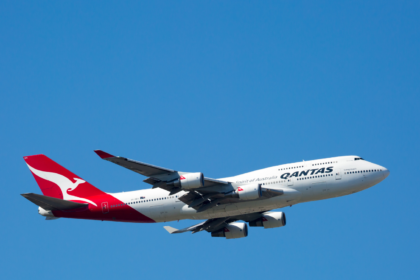


For Australians looking to maximise frequent flyer points, one decision consistently shapes how successful their strategy will be: choosing between Qantas Frequent Flyer and Velocity Frequent Flyer.
- Two Programs Built on Different Foundations
- Membership Size and Competition for Reward Seats
- Earning Points Through Flying
- Earning Points Without Flying
- Credit Cards and Strategic Flexibility
- Redeeming Points for Domestic Flights
- International Economy Redemptions
- International Business Class and First Class Redemptions
- Taxes, Fees, and Cash Co Payments
- Status and Travel Experience
- Ease of Use and Transparency
- Point Expiry and Long Term Planning
- Which Program Makes Sense for You
- Final Thoughts: Strategy Over Loyalty
These two programs dominate the Australian loyalty landscape, yet they operate in very different ways. While they are often compared as direct alternatives, the reality is far more nuanced. The way points are earned, the value that can be extracted from those points, the fees paid when redeeming rewards, and the ease of securing premium flights all vary meaningfully between the two programs.
For some Australians, Qantas Frequent Flyer feels like the natural choice due to its scale and strong domestic presence. For others, Velocity Frequent Flyer delivers better value and a smoother experience, particularly for international travel. Neither program is universally superior. The right choice depends entirely on how you earn points, how often you travel, and how you intend to use your points.
This article explains the key differences between Qantas Frequent Flyer and Velocity Frequent Flyer using a practical and Australia focused perspective. By the end, you should be able to clearly identify which program aligns best with your travel goals, or whether a blended approach makes more sense.
Two Programs Built on Different Foundations
At their core, Qantas Frequent Flyer and Velocity Frequent Flyer are built around different commercial priorities.
Qantas Frequent Flyer is one of the largest loyalty programs in the world. It is deeply embedded in everyday Australian spending and has evolved far beyond aviation. The program generates billions of dollars in revenue for Qantas each year, largely through partnerships with banks, retailers, insurers, and service providers. As a result, Qantas Points are easy to earn and widely promoted, but they are also heavily competed for when it comes time to redeem flights.
Velocity Frequent Flyer is smaller and more focused. While still a major program, it does not attempt to dominate every retail category in the same way. Instead, Velocity places greater emphasis on airline partnerships and flexible earning channels. This difference often results in better availability and lower fees for premium flight redemptions.
Understanding this foundational difference is essential, because it influences how each program behaves in practice.
Membership Size and Competition for Reward Seats
One of the most important yet rarely discussed differences between the two programs is the number of members competing for the same rewards.
Qantas Frequent Flyer has more than fifteen million members. This scale provides enormous commercial strength, but it also creates intense competition for reward seats. When premium cabin availability is released on popular routes, particularly international business class and first class, those seats are often taken within minutes.
Velocity Frequent Flyer has a smaller membership base. While still significant, it does not experience the same level of demand pressure. This often makes it easier to secure reward seats, especially on partner airlines where Virgin Australia does not control inventory.
For Australians who value ease of redemption and flexibility, this difference can be just as important as how many points they earn.
Earning Points Through Flying
Flying remains a valid way to earn points in both programs, but it is no longer the primary driver of large balances for most Australians.
Qantas Frequent Flyer rewards flying based on distance, fare type, and status level. Travellers who frequently fly domestically in flexible fares or internationally in premium cabins can accumulate meaningful points. Status bonuses further increase earning potential for higher tier members.
Velocity Frequent Flyer also rewards flying, with earning rates that many travellers find competitive at lower and mid status levels. Virgin Australia flights can generate solid returns for frequent domestic travellers, and Velocity partner airlines offer strong earning opportunities on international routes.
In practice, however, the majority of Australians earn most of their points on the ground rather than in the air.
Earning Points Without Flying
This is where Qantas Frequent Flyer and Velocity Frequent Flyer diverge significantly.
Qantas Frequent Flyer has built one of the most extensive non travel earning ecosystems in Australia. Qantas Points can be earned through supermarkets, fuel stations, insurance policies, online shopping portals, wine subscriptions, utilities, and a wide range of everyday services. For many households, Qantas Points accumulate almost passively as part of normal spending.
Velocity Frequent Flyer has a smaller retail footprint, but it compensates by being closely integrated with the Australian banking system. Velocity Points are easy to earn through credit cards and can be accumulated quickly through sign up bonuses and everyday card spending.
For Australians focused on scale and convenience, Qantas offers broader earning opportunities. For those focused on efficiency and flexibility, Velocity often provides a cleaner path.
Credit Cards and Strategic Flexibility
Credit cards are the engine room of modern points strategies, and both programs benefit heavily from them.
Qantas Frequent Flyer has an extensive range of co branded credit cards issued by most major Australian banks. These cards often come with large introductory bonuses and allow cardholders to earn Qantas Points directly. This makes Qantas Points very accessible, particularly for beginners.
Velocity Frequent Flyer also has strong credit card support, though it relies more heavily on flexible points programs. Many Australian cards earn bank points or American Express Membership Rewards, which can later be transferred to Velocity. This approach allows points to remain uncommitted until a specific redemption opportunity arises.
From a strategic perspective, flexibility is often more valuable than simplicity. Earning transferable points allows Australians to adapt to changing availability, pricing, and travel plans rather than being locked into one program.
Redeeming Points for Domestic Flights
For domestic travel, Qantas Frequent Flyer holds a clear advantage in coverage and frequency.
Qantas operates the largest domestic network in Australia, with extensive services across capital cities and regional destinations. Reward seat availability in economy is generally reliable, and Qantas Points can deliver consistent value for short domestic flights.
Velocity Frequent Flyer also performs well on major domestic routes, particularly between capital cities. Virgin Australia offers a competitive product, but its network is smaller and less comprehensive in regional areas.
For Australians who primarily travel domestically and value predictability, Qantas Frequent Flyer often provides a more reliable experience.
International Economy Redemptions
When it comes to international economy flights, neither program consistently delivers exceptional value.
Qantas Frequent Flyer redemptions in international economy are often affected by high carrier charges, which can significantly reduce the value of points used. While seats are available, the cash component can make redemptions less appealing.
Velocity Frequent Flyer tends to offer slightly better value in international economy, particularly when redeeming on partner airlines with lower fees. While still not the optimal use of points, Velocity can be marginally more efficient in this category.
Most experienced points users, however, focus their redemptions elsewhere.
International Business Class and First Class Redemptions
The greatest value in frequent flyer programs is typically found in premium cabins, and this is where the differences between Qantas Frequent Flyer and Velocity Frequent Flyer become most pronounced.
Qantas Frequent Flyer provides access to high quality premium products, including Qantas Business Class and First Class, as well as flights on partner airlines. However, availability is limited and competition is intense. Securing premium seats often requires booking far in advance, remaining flexible with travel dates, or monitoring release patterns closely. In addition, carrier charges on Qantas redemptions are among the highest in the industry.
Velocity Frequent Flyer is widely regarded as one of the strongest programs in Australia for international business class travel. Its partnerships with airlines such as Singapore Airlines and Qatar Airways provide access to excellent products with better availability and lower out of pocket costs. For many Australians, Velocity offers a smoother and more rewarding premium redemption experience.
For travellers whose primary goal is international business class travel, Velocity frequently delivers stronger outcomes with fewer obstacles.
Taxes, Fees, and Cash Co Payments
Fees play a critical role in determining the true value of points.
Qantas Frequent Flyer is known for imposing high carrier charges on many international redemptions. These fees can run into the hundreds or even thousands of dollars, particularly for premium cabins. While points still offset the bulk of the fare, the cash component can diminish the perceived benefit.
Velocity Frequent Flyer generally applies lower fees, especially on partner airline redemptions. This often results in a more balanced redemption, where points provide significant value without excessive additional costs.
Over time, these differences can have a substantial impact on how far your points actually take you.
Status and Travel Experience
Status plays an important role in both programs, though its value varies depending on travel patterns.
Qantas Frequent Flyer status is highly visible in Australia and closely aligned with corporate travel. Higher tiers unlock lounge access, priority services, bonus points, and improved upgrade prospects. For frequent Qantas flyers, status can significantly enhance the overall travel experience.
Velocity status offers similar benefits and is often considered easier to achieve and maintain. Virgin Australia lounges are well regarded, and status recognition on partner airlines can be valuable for international travel.
Neither program is inherently superior in this regard. The value of status depends entirely on how often and where you fly.
Ease of Use and Transparency
Many Australians find Velocity Frequent Flyer easier to understand and navigate.
Reward pricing is generally clearer, partner redemptions are more predictable, and availability can be easier to identify. This transparency makes Velocity particularly appealing for those new to points or those who prefer a simpler experience.
Qantas Frequent Flyer, while powerful, is more complex. Dynamic pricing, limited visibility, and frequent program adjustments require users to stay informed and proactive. For experienced strategists, this complexity can be managed. For others, it can become a source of frustration.
Point Expiry and Long Term Planning
Both programs have point expiry rules, though they differ slightly.
Qantas Points expire after eighteen months of inactivity, although maintaining activity is usually straightforward. Velocity Points expire after twenty four months of inactivity, providing a longer window.
In terms of program stability, Qantas Frequent Flyer has a long and consistent track record. Velocity Frequent Flyer has undergone changes in the past, but has emerged with a strong focus on premium partnerships and member value.
For long term planners, both programs are viable, though diversification can reduce reliance on any single system.
Which Program Makes Sense for You
Choosing between Qantas Frequent Flyer and Velocity Frequent Flyer should be a strategic decision, not an emotional one.
Qantas Frequent Flyer is often best suited to Australians who travel domestically often, value a broad earning ecosystem, and prefer earning points easily even if redemptions require more effort.
Velocity Frequent Flyer tends to suit Australians who prioritise international business class travel, value flexibility and lower fees, and earn points primarily through credit cards.
Many experienced points users ultimately engage with both programs, often earning points through flexible platforms like American Express Membership Rewards and transferring strategically when the right opportunity arises.
Final Thoughts: Strategy Over Loyalty
The most common mistake Australians make with frequent flyer programs is blind loyalty. Loyalty only works when it aligns with how you actually travel and how you intend to use your points.
Qantas Frequent Flyer and Velocity Frequent Flyer are both powerful tools. Used strategically, they can unlock extraordinary value and experiences. Used without understanding, they can lead to frustration and poor outcomes.
The smartest approach is not choosing one program over the other, but understanding their differences and applying them intentionally.
The real advantage lies not in loyalty, but in strategy.